Introduction: The Dilemma of Driving with Auto Glass Damage
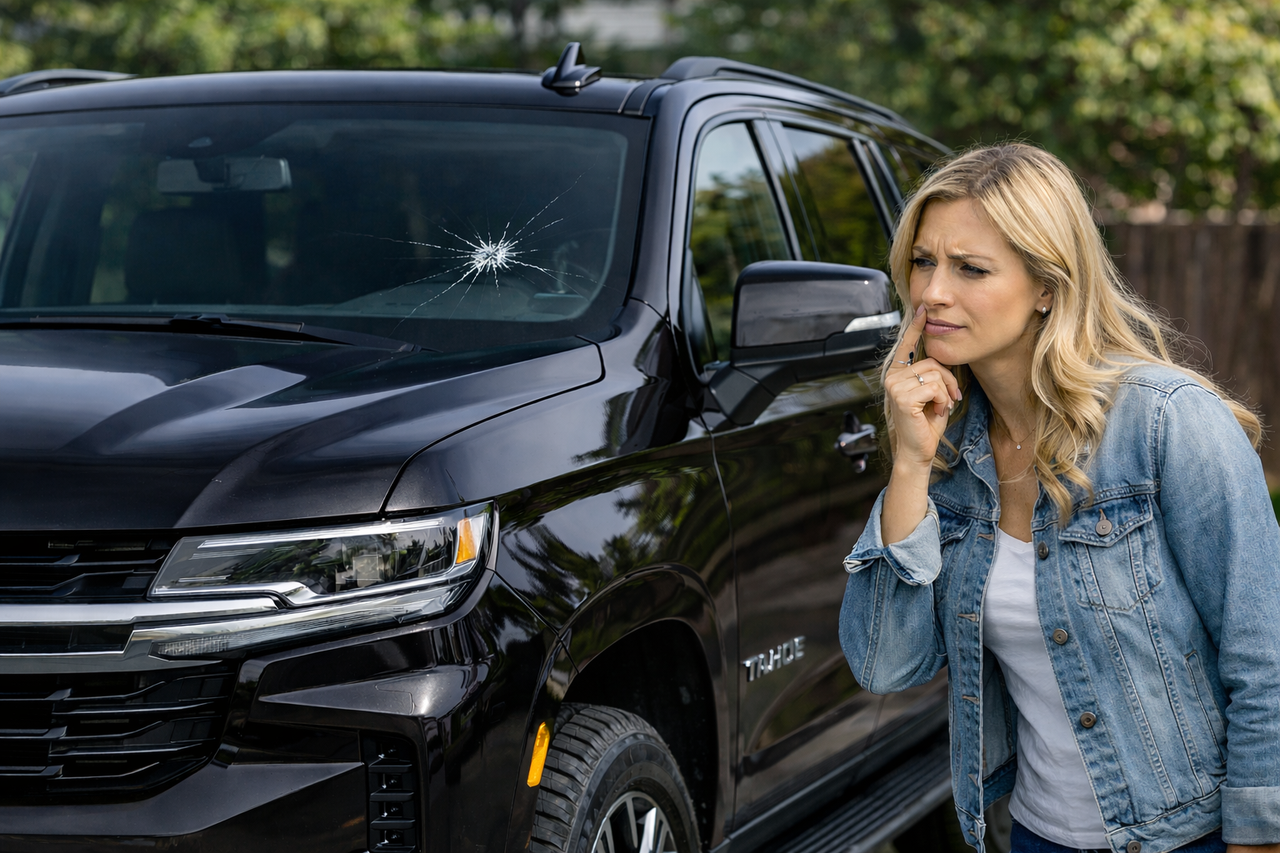
Ah, the joys of being on the road! The wind in your hair, the music playing, and then it happens—a flying pebble hits your windshield. Suddenly, you’re left wondering, "How long can you drive with a cracked or chipped windshield?" It’s an important question that many drivers find themselves asking at some point. The answer isn't as black and white as you might think. From safety concerns to legal implications, the state of your windshield can affect everything from your vehicle's structural integrity to how much trouble you could be in if you're pulled over.
In this article, we’ll delve deep into the world of auto glass damage—specifically focusing on cracked and chipped windshields. We’ll explore everything from what constitutes damage to how long you can safely drive with it, where to get services like Asheville auto glass, windshield replacement Asheville, and more. Buckle up as we navigate through this topic!
What are Cracks and Chips in Windshields?
Understanding Windshield Damage
Before we tackle the big question of how long you can drive with a cracked or chipped windshield, let’s first define what we mean by "crack" and "chip."
- Cracks: These are linear breaks that can extend across the glass. They can range from small surface cracks to larger ones that compromise visibility. Chips: These are small pieces missing from the windshield surface. Chips often look like little starbursts or dings.
Both types of damage can occur due to various reasons—flying debris, temperature changes, or even improper installation during previous repairs.
The Importance of Early Detection
Spotting these damages early is crucial. A tiny chip can quickly turn into a sizeable crack if left unattended. It’s a bit like ignoring that drip from your kitchen faucet; over time, it could lead to an extensive plumbing issue!
How Long Can You Drive with a Cracked or Chipped Windshield?
So here we go: how long can you actually drive with a cracked or chipped windshield? The short answer is: not long at all!
While there’s no universal law stating an exact timeframe, safety experts generally recommend addressing any damage immediately—especially if it obstructs your view.
Factors Influencing Driving Duration
Severity of Damage:- Minor chips may be repairable without affecting visibility. Larger cracks might necessitate immediate replacement.
- If a crack impairs your direct line of sight (like right in front of the driver), it’s best not to drive at all. Chips located on the passenger side may be less concerning but still require attention.
- Cold weather can exacerbate existing problems. The risk of cracking increases when temperatures drop suddenly. Rainy conditions make driving hazardous if visibility is compromised.
- Some states have laws against driving with significant windshield damage; ignorance won’t save you from fines!
A Practical Rule of Thumb
If you've got a chip smaller than a quarter or a crack less than six inches long (and it doesn't obstruct your view), you might be able to manage for a short while—though it's not advisable! It's better to err on the side of caution than face potential accidents or hefty fines.
Legal Implications of Driving with Auto Glass Damage
Is It Legal? Understanding Local Laws
Driving with a damaged windshield isn’t just about safety; it's also about legality. Each state has different regulations regarding vehicle safety standards—including windshields.
State Requirements
For instance:
- In North Carolina, which includes Asheville auto glass services, it’s illegal to drive if your windshield is significantly damaged. Fines for violations range from $100-$200 depending on severity.
Make sure you're familiar with local laws before hitting the road!
Consequences for Ignoring Damages
Think you can ignore that crack? Think again! Not only could you face fines, but insurance companies might refuse coverage for future claims if they find negligence regarding prior damages.
The Risks Associated with Driving on Cracked Windshields
Safety Hazards Explained
Let’s break down why driving with damaged windshields poses risks:
Reduced Visibility:- A cracked windshield obstructs vision and distracts drivers.
- A compromised windshield may shatter more easily upon impact.
- If passengers aren't secured properly due to sudden braking caused by poor visibility, injuries may occur.
What Are Your Options?
Rather than risking safety—or worse—getting pulled over for illegal driving conditions, consider options available through Asheville windshield repair services that cater specifically to these issues.
Repair vs Replacement: When Should You Choose Which?
Understanding Repair Limitations
Not every crack or chip requires full replacement! Here’s when repair makes sense:
- Small chips under 1 inch Cracks shorter than 6 inches
If you're uncertain about whether to opt for repair or replacement in Asheville auto glass shops, consult professionals who specialize in this field—they'll guide you through what makes sense based on severity and location.
When Replacement Is Necessary
If:
- Your crack is longer than 6 inches There's multiple damage points Then it's time for complete replacement!
Affordable Options for Auto Glass Services in Asheville
28814 side window repairFinding Cheap Auto Glass Services
Looking for affordable options doesn’t mean sacrificing quality! Here are some tips:
Shop Around:
- Compare prices across various Asheville auto glass shops online.
Ask About Insurance:
- Many policies cover repairs; check if yours does!
Look Out for Promotions:
- Seasonal discounts are common among service providers.
Top Services in Asheville
When searching for reliable options like “ Asheville car window repair” or “ cheap auto glass Asheville,” consider visiting shops known for their excellent customer service and quick turnaround times!